We Offer Revolution Of Industrial Engineering

+86 18927250398 (Joanna)
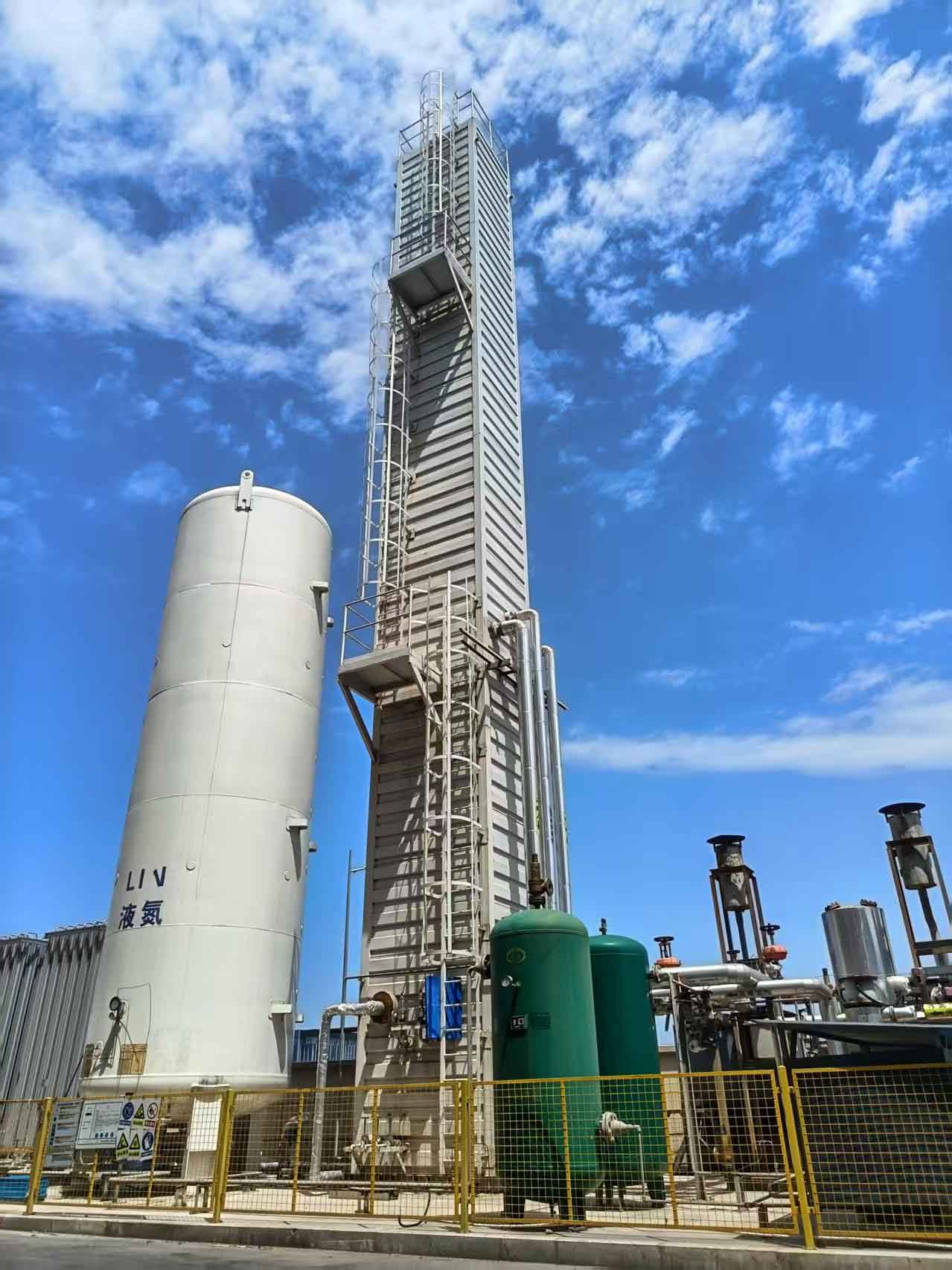
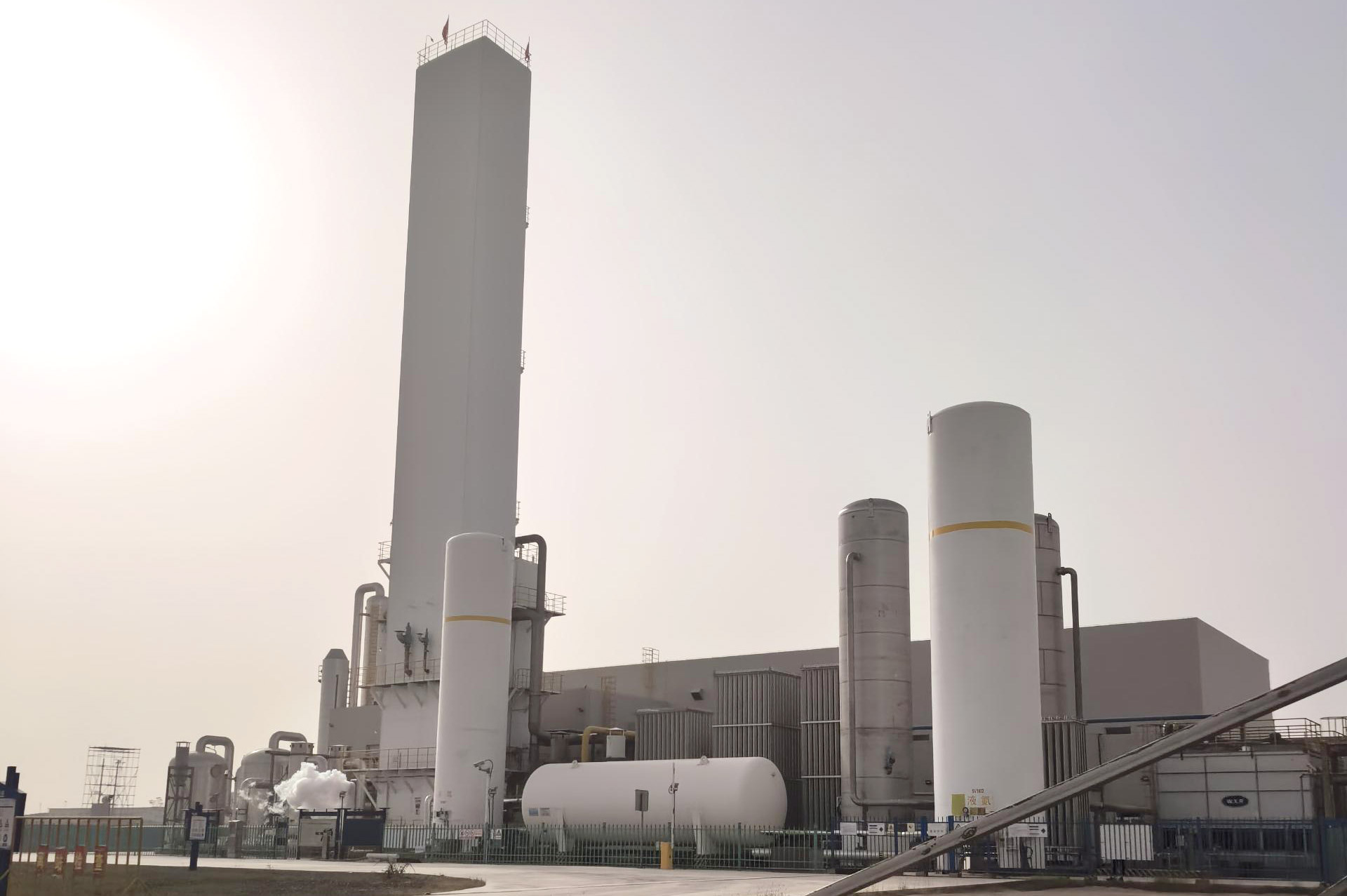
Air Separation Units (ASU) liquefies air via compression-cycle deep-freezing, then precisely separates oxygen, nitrogen, argon, etc., by boiling point differences, consistently producing gases over 99.999% pure and simultaneously extracting rare gases like neon, krypton, xenon. Ideal for traditional metallurgical oxy-fuel combustion, new coal-to-chemical ammonia synthesis, and large-scale nitrogen fertilizer production, the ASU not only meets large-scale industries’ continuous gas demand but also showcases YUEQIN’s technical strength and global engineering project implementation capabilities.
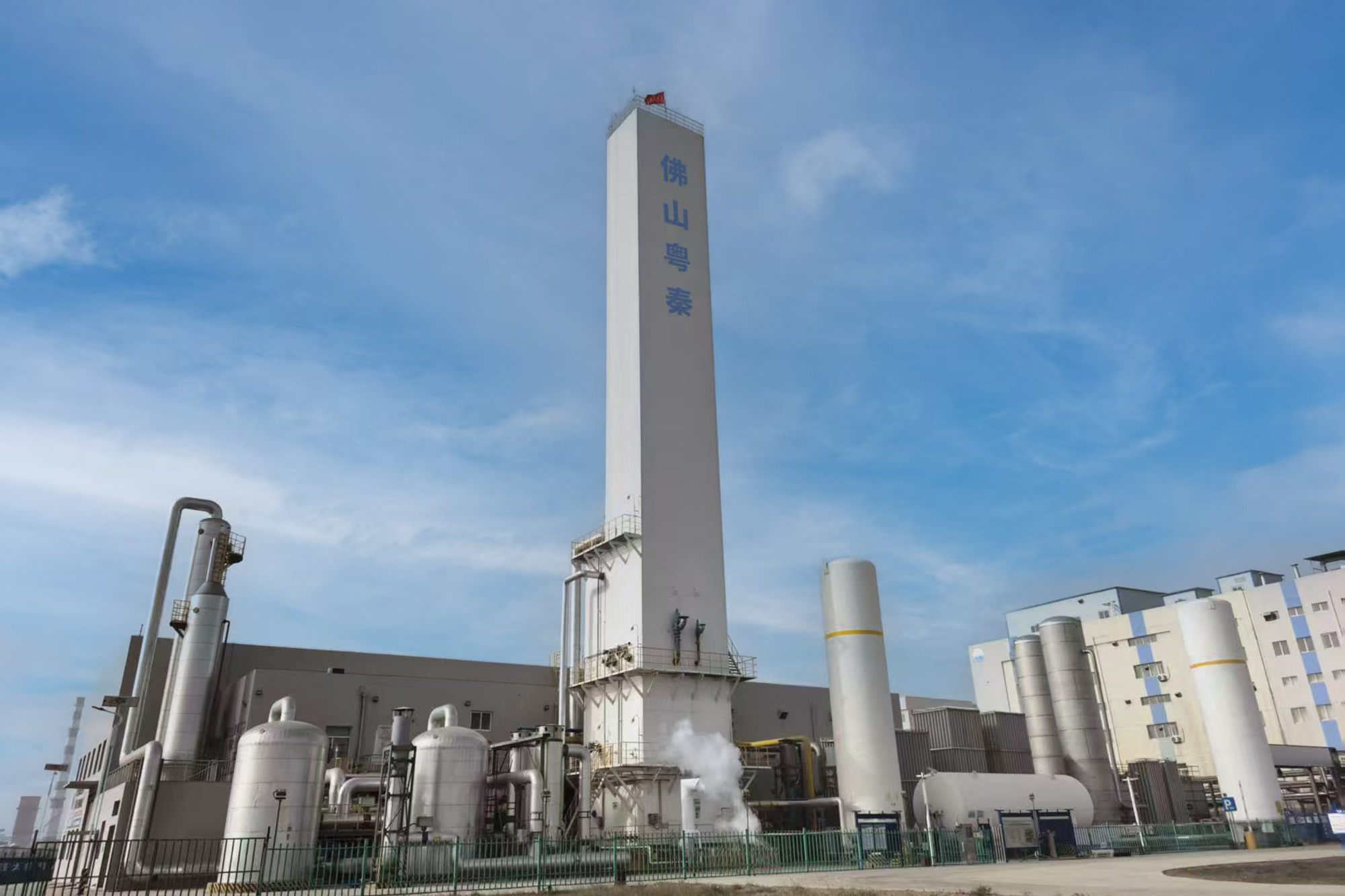
Cryogenic distillation first cools air to liquefy it, then selectively separates its components based on their boiling point differences through distillation. This produces high-purity gas, but it consumes a lot of energy. The system requires tightly integrated heat exchangers and separation columns to maintain efficiency, with refrigeration energy coming from the inlet air compressor.
To achieve low temperatures, air separation plants employ two refrigeration cycles: utilizing isothermal throttling via a throttling device, or isentropic expansion via an expander. Cryogenic equipment must be housed in a “cold box” (insulated enclosure) to minimize cooling losses.
The compressed air from the air compressor is first cooled by an air pre-cooling system before being removed by molecular sieves to remove impurities such as moisture, carbon dioxide, and hydrocarbons. The purified air is then split into two paths: one is sent directly to the upper column of the distillation tower, while the other is expanded and cooled by an expander before being sent to the lower column. Within the distillation tower, the rising vapor and the falling liquid undergo heat exchange and separation, ultimately producing high-purity nitrogen at the top of the upper column and high-purity oxygen at the bottom.
Compression System:
Comprising an air inlet filter (to filter dust), an air compressor (to pressurize air), an air compressor interstage cooler (to reduce temperature and maintain efficiency), and an air compressor vent silencer (to reduce noise).
Pre-cooling System:
Comprising a water-cooling tower, an air-cooling tower (to exchange heat and reduce temperature), a water pump (to provide cooling water), and a chiller (to provide deep cooling).
Purification System:
The core is a molecular sieve adsorber (to remove impurities) coupled with a nitrogen vent silencer (to reduce exhaust noise).
Heat Exchange System:
Includes the main heat exchanger (for heat exchange between air and low-temperature gas to reduce temperature) and the subcooler (for cooling liquid products to reduce vaporization losses).
Distillation System:
Includes the distillation tower (for gas-liquid contact separation) and the condenser-evaporator (for maintaining the distillation cycle).
Product Delivery System:
Comprising a pressure regulating station (for pressure regulation) and a metering station (for flow measurement).
Liquid Storage Backup System:
Includes liquid storage tanks (for storing liquid oxygen and liquid nitrogen), gas storage tanks (for buffering gaseous products), and a liquid evaporator (for emergency liquid-to-gas conversion).
Although air separation units can utilize a variety of technologies, such as membrane separation and pressure swing adsorption, cryogenic fractionation (distillation) remains the mainstream core technology for achieving efficient, high-purity separation. Its typical operation process is divided into four key stages:
1. Compression Stage
Atmospheric air is first drawn into the ASU and then enters a multi-stage compressor system for pressurization. The core purpose of this stage is to increase the air pressure, thereby reducing energy consumption and improving efficiency in the subsequent cooling and separation processes. The air pressure is typically controlled within a range of 5-10 barg, laying the foundation for subsequent processes.
2. Purification Stage
The pressurized air first passes through a purification system to remove impurities, primarily moisture, carbon dioxide, and trace amounts of oil, dust, and other pollutants. This step is crucial: it ensures the high purity of the final output gas, meeting the requirements of industrial and medical applications; it also prevents impurities from freezing or accumulating in the subsequent low-temperature environment, preventing blockage of heat exchangers, pipelines, and other equipment, thereby ensuring stable operation of the unit.
3. Cooling Stage
The purified compressed air enters a cooling system consisting of a heat exchanger and a refrigeration cycle, where it is gradually cooled to a low temperature. Since cryogenic fractionation is based on the differences in boiling points between gaseous components, the cooling process lowers the air to its liquefaction temperature, converting the gaseous air into liquid air, preparing it for subsequent distillation separation.
4. Separation Stage
Liquid air is fed into a single- or multi-stage distillation tower, where its components are separated through fractional distillation. The differences in boiling points between the gases are crucial for separation: nitrogen, with its lowest boiling point, vaporizes and rises from the liquid air first, being collected at the top of the tower. Oxygen, with its higher boiling point, remains at the bottom of the tower and is discharged as a liquid or gas. If argon needs to be separated, since its boiling point lies between nitrogen and oxygen, it can be extracted from the middle of the tower through a specialized distillation section.
Our operational philosophy is “safety, stability, long cycles, full capacity, and energy conservation with reduced consumption.”
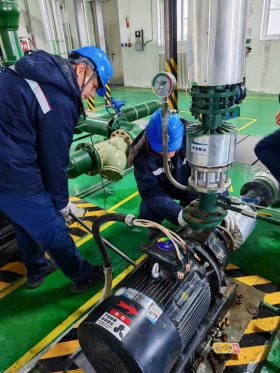
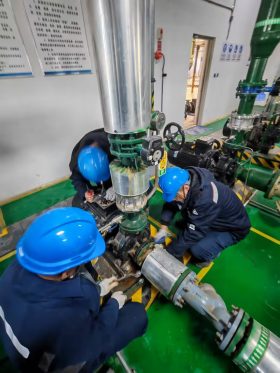
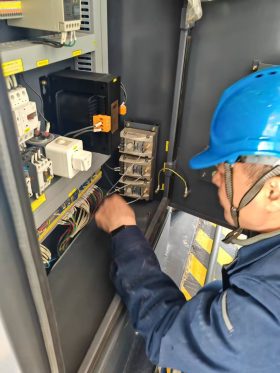
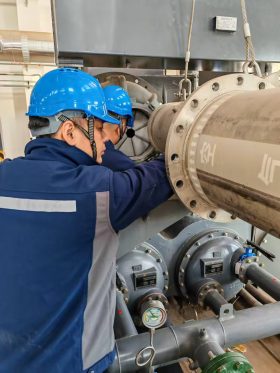
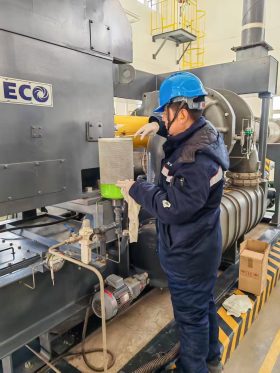
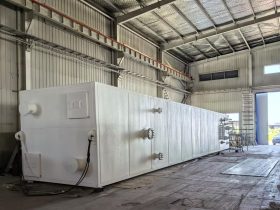
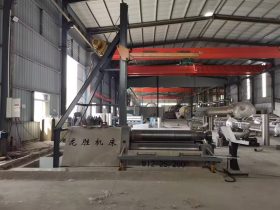
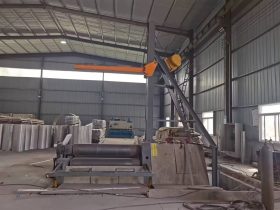
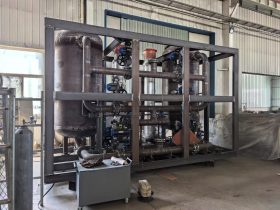
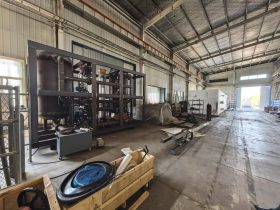
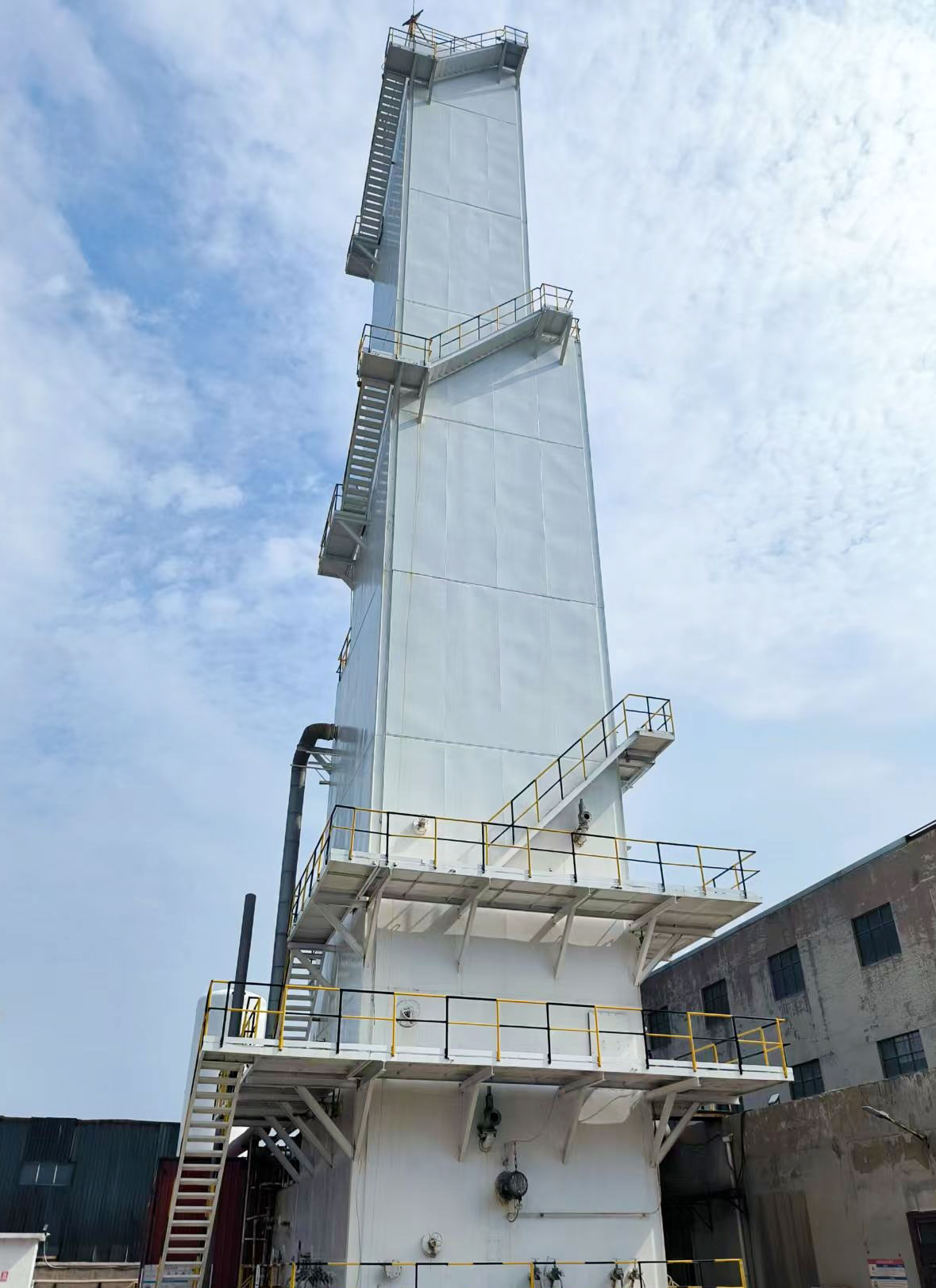
An Air Separation Unit is an industrial facility. It functions by cooling and liquefying air first. Then, leveraging cryogenic distillation based on the different boiling points of gases in the air, it separates the atmosphere into main components, mainly including oxygen, nitrogen and argon. The produced pure gases are widely used in industrial and medical fields. The process is energy - intensive and relies on components such as compressors, distillation columns and molecular sieves.
Oxygen plant is an industrial facility that is designed to produce high-purity oxygen gas through the process of air separation. The plant typically uses cryogenic distillation technology to separate the various components of air, such as nitrogen, argon, and oxygen.
Oxygen plant works by purifying air through the process of air separation. The air is compressed and cooled, and then passes through a molecular sieve where nitrogen and other trace gases are adsorbed, leaving behind pure oxygen. The pure oxygen is then liquified and stored in large tanks, where it can be filled into cylinders or used for industrial processes. Some oxygen plants also have the ability to produce high-purity oxygen for medical applications.
The purity level of oxygen produced by an oxygen plant can vary depending on the process and technology used. However, most modern oxygen plants can produce oxygen with a purity level of over 99%. This means that the oxygen produced is almost pure oxygen and is free from other gases and impurities.
Nitrogen plant is a industrial facility that produces nitrogen gas from the surrounding air. It's typically used for various industries such as chemical, food & beverage, pharmaceuticals, and more.
Nitrogen is mainly produced from air by cryogenic separation, pressure-swing adsorption (PSA) and polymeric membrane technology.
It is used to make fertilisers, nitric acid, nylon, dyes and explosives. To make these products, nitrogen must first be reacted with hydrogen to produce ammonia. This is done by the Haber process. 150 million tonnes of ammonia are produced in this way every year.
The power consumption of a nitrogen plant depends on several factors such as the capacity of the plant, the type of technology used, and the efficiency of the equipment. Generally, a small-scale nitrogen plant with a capacity of 50-100 cubic meters per hour may consume around 100-120 kW of electricity. In comparison, a large-scale plant with a capacity of 1000 cubic meters per hour or more may consume several megawatts of power.