
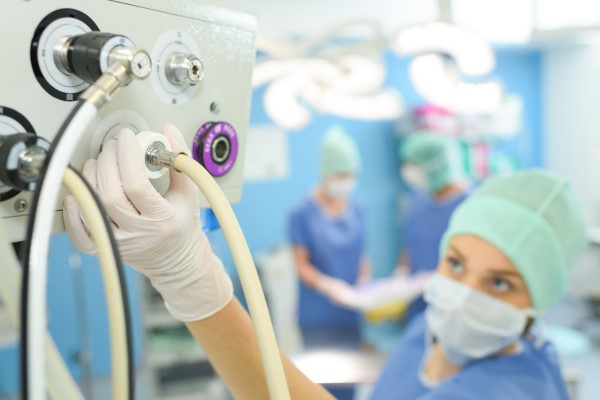
The role of a medical gas supplier is to provide high-quality medical gasses for their therapeutic use in healthcare facilities.
In order to do so, they must be able to correctly store and transport these substances, taking into account the particular needs of each type of medical gas.
What are the main medical gasses used throughout the healthcare system, what are they used for and how to ensure equipment used by a medical gas supplier is the right one? Keep reading to find out.
Medical gasses: what are they and how are they used?
Medical gasses are defined as the types of gasses used in healthcare systems for therapeutic purposes.
This category includes different sorts of medical-grade gasses, compressed air and gas mixtures and present applications in various healthcare areas, including dentistry, veterinaries, physicians, nursing homes, ambulances, emergency healthcare facilities and medical laboratories, among others.
Medical gasses are employed in a number of healthcare processes, from diagnostic imaging, to organ and tissue preservation and surgeries and emergency procedures, among others.
Being part of the healthcare system, medical gasses are regulated as drugs and subject to a number of restrictions and international regulations.
This means every medical gas supplier must guarantee top-quality processes both during storage and transportation processes, devising systems that are specifically designed for the needs of each gas and substance, as well as employing the adequate equipment.
Although there are many formulas for a medical gas supplier to provide these, a common system for low volume gasses includes a central source and a pipeline distribution network or specifically-designed transportation cylinders. Some other medical gasses, like medical air, are easily generated locally in hospitals.
5 most used gasses that every medical gas supplier should know
Medical oxygen
Medical oxygen is employed to counteract the action of certain illnesses that cause oxygen saturation levels to drop, thus providing the right therapy for oxygen-deficient patients. As such, some common uses of medical oxygen include inhalation and resuscitation therapies, as well as life support in artificial ventilation processes.
Categorized as a drug, medical oxygen differs from industrial oxygen in its purity level: in order to be used in medical treatments and be apt for human use, medical oxygen suppliers must guarantee a purity of 93% (this value rises up to 99% purity levels in the case of medical oxygen obtained through cryogenic methods) as per the European Directorate for the Quality of Medicines mandate.
This means there is distinct equipment to be incorporated into the generation of medical oxygen plants, so that no contamination can occur through the medical oxygen manufacturing, storage and transportation processes.
These requirements greatly differ from those of industrial oxygen, which is part of the many gasses employed for industrial production and used for multiple applications including the generation of chemical reactions, combustion and oxidation processes, among others.
Medical air
Medical air is clean compressed air that, because of its lack of contamination, particles and other impurities, can be used to distribute other medical gasses. Following strict requirements (for instance, in the U.S.A it’s regulated by the Instrument Society of America), it can provide an alternative to medical nitrogen in such processes.
As such, it’s used to power medical equipment that relies on air, such as ventilators, surgical tools, resuscitators or pneumatic instruments, among others.
The supply of medical air relies on air compressors which are able to provide this gas in patient care areas. For instance, medical air compressors may be used during surgeries to guarantee breathing for patients.
Carbon dioxide
Carbon dioxide presents multiple uses in the healthcare sector, including:
- When combined with medical oxygen, it facilitates respiratory therapies during the administration of anesthesia.
- Less invasive surgeries (including endoscopies) rely on carbon dioxide as an insufflation gas, expanding body cavities and thus providing a better visibility for surgeons.
- Carbon dioxide may also be used in thoracic surgeries, when organs may need to be moved so that surgeons can have access to a specific area.
Nitrogen
Nitrogen’s capacity to freeze tissues is employed to preserve organic tissues, blood and other biological specimens. It’s also useful to destroy tissue in both dermatology and cryosurgery processes, being an important element to fight some cancer issues and skin lesions.
Additionally, nitrogen can also be employed to power certain medical equipment, like medical air.
Nitrous oxide
This gas is used as an anesthetic and analgesic as part of surgical procedures, inhibiting pain transmission processes both in the spinal cord and the brain.
It’s also used in combination with medical oxygen to provide pain relief in processes such as dental care and operations, as well as childbirth.
Helium gas
Helium gas plays a key role in certain therapeutic processes, reducing resistance in respiratory conducts and muscles, and thus allowing other treatments to act.
As such, and in combination with oxygen, it can provide a crucial help in the treatment of respiratory problems such as asthma or emphysema.
Additionally, it’s also being used as an alternative to carbon dioxide as an insufflation gas in certain abdominal surgeries where patients have shown carbon dioxide retention problems.