
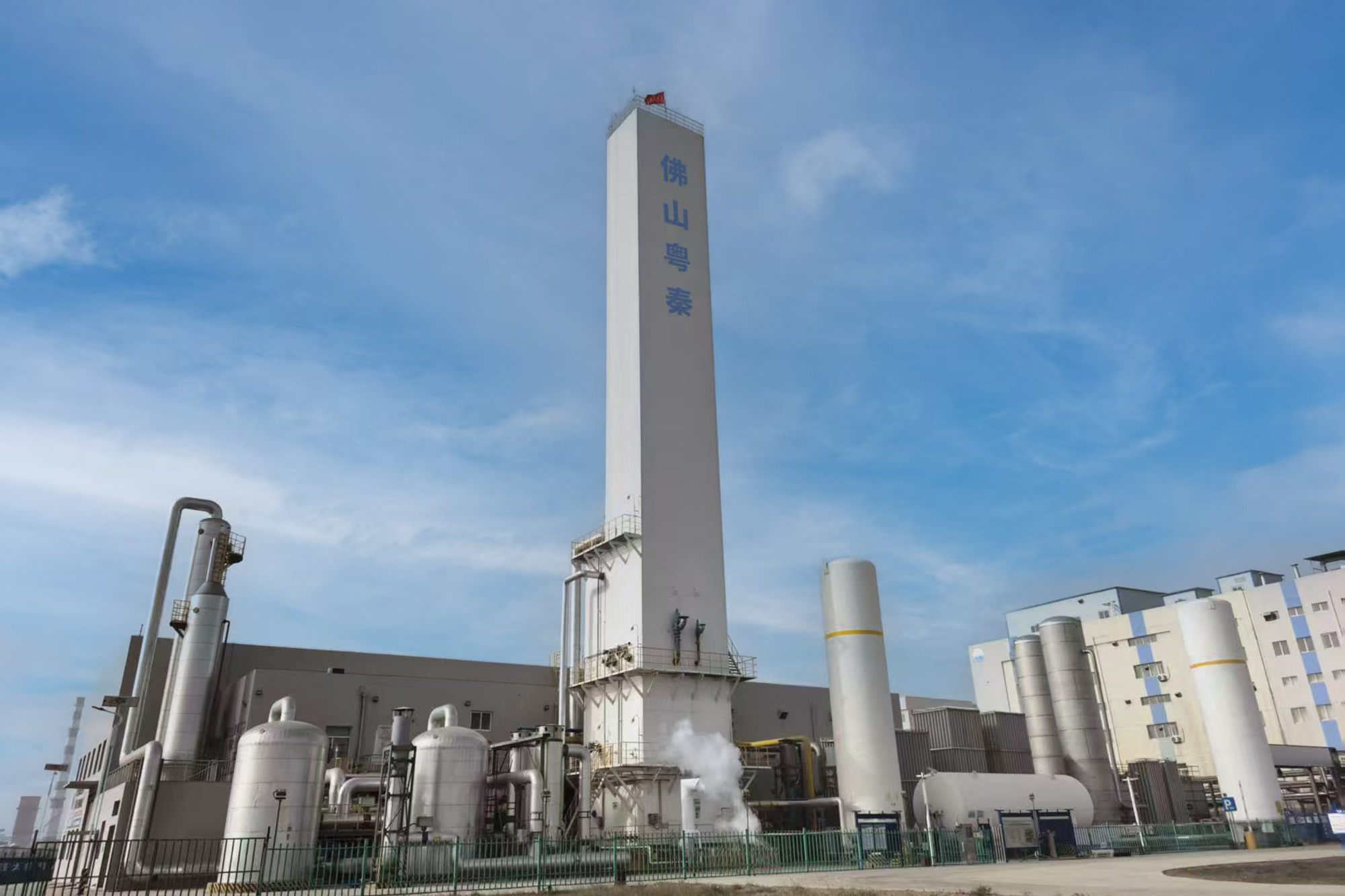
In the intricate web of industrial processes, Air Separation Units (ASUs) stand as silent giants, wielding the power to transform the landscape of various sectors. From the fundamental principles to the nuances of the ASU process and the critical role it plays in the oil and gas industry, this article is a comprehensive exploration into the world of ASUs.
Understanding the Essence of an Air Separation Unit (ASU)
At its core, an Air Separation Unit is a facility designed to separate atmospheric air into its primary components: nitrogen, oxygen, and, in some instances, argon. This separation is achieved through a complex process that capitalizes on the distinct boiling points of these gases. ASUs are integral to a myriad of industries, providing a steady and reliable source of industrial gases crucial for various applications.
ASU in the Oil and Gas Industry: Fuelling Operations with Precision
In the oil and gas industry, where precision and reliability are paramount, ASUs play a pivotal role. These units are tasked with providing a constant supply of high-purity oxygen and nitrogen, essential for a spectrum of operations. From enhancing combustion processes to facilitating inert gas blanketing and pressurizing pipelines, the applications of ASUs in the oil and gas sector are diverse and indispensable.
Deciphering the PPU in ASU: Powering Efficiency
The Power Processing Unit (PPU) within an ASU serves as the beating heart, ensuring the seamless and efficient operation of the entire unit. This critical component is responsible for optimizing power consumption, a factor of paramount importance in the energy-intensive processes of air separation. The PPU enhances the overall energy efficiency of ASUs, aligning with the industry’s pursuit of sustainability and reduced environmental impact.
The ASU Process Unveiled: From Air to Industrial Gases
The ASU process unfolds in a series of meticulously orchestrated steps, each contributing to the extraction of nitrogen, oxygen, and argon from atmospheric air. The journey begins with air compression, followed by purification and cooling. The cryogenic distillation process, a cornerstone of ASU technology, then comes into play, exploiting the differing boiling points of the gases to achieve separation. The final steps involve product storage and distribution, ensuring a continuous and reliable supply of industrial gases to end-users.
Optimizing Efficiency and Sustainability in ASU Operations
In an era where sustainability is non-negotiable, ASU operators are embracing technological advancements to enhance efficiency and reduce environmental impact. Cutting-edge control systems, smart monitoring, and process automation are seamlessly integrated into ASU operations, allowing for real-time adjustments and optimal resource utilization. These advancements position ASUs at the forefront of sustainable industrial practices.
While ASUs continue to be stalwarts of industrial processes, the landscape is not without challenges. Rising energy costs, the need for carbon footprint reduction, and evolving regulatory landscapes pose significant hurdles. However, the industry responds with a spirit of innovation, exploring novel technologies such as membrane-based separation and exploring alternative energy sources to power ASU operations.
Looking Ahead: The Future of ASUs in a Dynamic Industrial Environment
As industries evolve and diversify, the role of ASUs becomes even more pronounced. The future holds promises of increased efficiency, reduced environmental impact, and expanded applications for industrial gases. ASUs, with their adaptability and versatility, are poised to be key players in the unfolding narrative of industrial progress.